Your Neighborhood Is a Goldmine: Local Sourcing Secrets That Resellers Don't Want You to Know
There's a running joke among serious collectors that the best finds are always one town over. But the truth is, most people are so locked into online platforms that they completely ignore what's sitting right in their own zip code. While you're getting outbid by resellers running automated tools on national marketplaces, those same resellers are often skipping the estate sale two miles from your house because the margins don't justify the drive.
That's your window. And it's bigger than you probably think.
Why Local Still Beats Online for Sourcing
Online marketplaces are efficient. That efficiency is exactly the problem. When every potential buyer in the country can see the same listing, prices reflect that competition. You're not finding deals — you're fighting a national (sometimes global) crowd for stuff that's already been priced accordingly.
Local sourcing flips that equation. Estate sales, antique malls, and community selling groups operate in smaller information bubbles. Sellers often don't know what they have. Pricing is inconsistent. And the competition is limited to whoever happens to be in the area and paying attention. For patient collectors who know their categories, this is the environment where real value hides.
Estate Sales: The Most Underrated Source in the Game
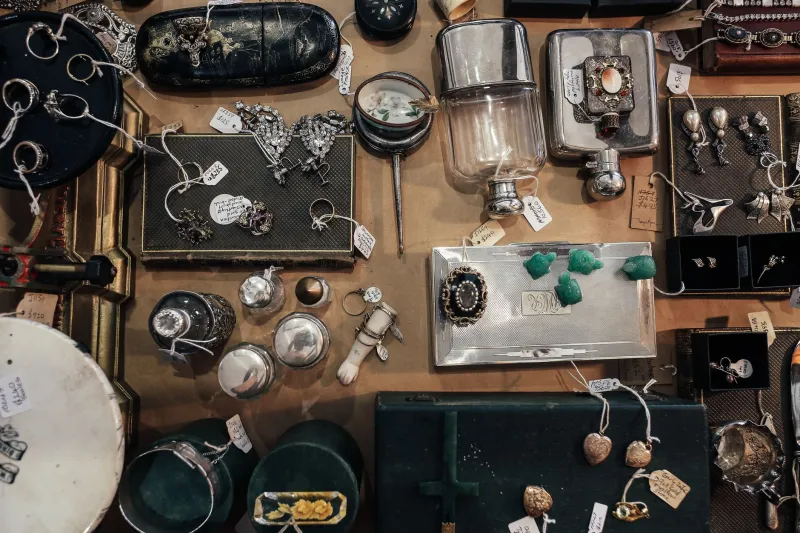
Estate sales are the crown jewel of local sourcing, and they're still dramatically underutilized by most collectors. The inventory at a well-run estate sale reflects a lifetime of accumulation — which means genuine vintage pieces, items in original packaging, and collections assembled before the internet made everything searchable and therefore priceable.
The key to working estate sales well is preparation. Services like EstateSales.net and EstateSales.org list upcoming sales by zip code. Most listings include photos. Spend 10 minutes reviewing photos before you go, and you can identify sales worth prioritizing. Show up early — the best stuff at a well-trafficked sale can disappear in the first 30 minutes.
Also worth knowing: the last day of a multi-day estate sale often features discounts of 25–50%. If you're after bulk finds or you spotted something on day one that didn't sell, coming back on the final day with a lower offer is a completely normal move that experienced buyers do routinely.
Antique Malls: Patience Pays Off Here
Antique malls operate differently than estate sales — inventory turns slowly, and dealers who rent booth space often set prices based on what they hope something is worth rather than what the current market actually says. That can work in your favor if you know the category better than the dealer does.
The strategy here is to become a regular. Visit the same malls on a schedule — monthly works for most — and you'll start to notice what moves and what sits. Items that have been in the same spot for three or four visits are ripe for negotiation. Dealers would rather get something than nothing, and a polite, reasonable offer on slow-moving inventory often lands.
Building relationships with booth holders is even more valuable. If a dealer knows you're a serious buyer in a specific category, they'll often hold items for you before they hit the floor, give you first call on new acquisitions, and negotiate more freely because they trust you're not wasting their time.
Regional Thrift Chains: Know Your Territory
National thrift chains like Goodwill and Salvation Army get all the attention, but regional and independent thrift stores are frequently better hunting grounds. They have less foot traffic, less savvy pricing, and less competition from professional pickers who have the big chains mapped out.
Different regions also have different strengths. The Midwest tends to produce strong vintage toy and sports memorabilia finds. The Northeast has deep pockets of vintage books, records, and pre-war collectibles. The South and Southwest often surface folk art, pottery, and regional advertising pieces that don't travel well to national markets but have real collector value.
Figure out which categories your region tends to generate and lean into those. You're playing with a home-field advantage — use it.
Community Facebook Groups: The Wildest Frontier
Local Facebook buy/sell groups and neighborhood-specific marketplace communities are genuinely chaotic, and that chaos creates opportunity. Pricing is all over the place. Some sellers are asking ten times what something is worth; others are practically giving away items because they just want them gone before a move or a garage cleanout.
Join every local selling group in your area. Set up keyword alerts if the platform allows it. Check in regularly, because good stuff moves fast in active groups. The sellers in these communities are usually not professional dealers — they're regular people who don't have the time or inclination to research what they have. That's your advantage.
One important note: cash transactions are standard in these settings, and meeting safely matters. Stick to public meeting spots or bring someone with you for higher-value transactions.
Timing Your Local Moves
Local sourcing has seasonal rhythms that experienced collectors learn to read.
Spring is prime estate sale season — families clean out after winter, and the volume of sales picks up significantly from March through June. Fall brings another wave as people clear space before the holidays. Thrift stores tend to receive donation surges in January (post-holiday purges) and late summer (back-to-school cleanouts).
Garage sale season peaks in late spring and summer across most of the country, with regional variations. In warmer climates, the calendar extends further in both directions. Following local community boards and neighborhood apps like Nextdoor will give you advance notice on sales that don't make it onto larger listing platforms.
Building a Local Network That Feeds You Deals
The collectors who consistently win locally aren't just showing up to sales — they're building networks. That means introducing yourself to estate sale companies in your area, leaving cards with antique mall dealers, and being the person who shows up consistently and buys decisively when something fits.
Establish a reputation as a serious, fair buyer and word travels. Estate sale companies will start reaching out before a sale goes public. Dealers will call you when something comes in. Other collectors in your area will trade tips.
The online platforms aren't going anywhere, and they have their place. But the local game, worked consistently, is where collectors with a real edge are quietly building their best finds — one neighborhood at a time.