Manufactured Obsession: The Calculated Science Behind Brands Engineering Collectibles From Scratch
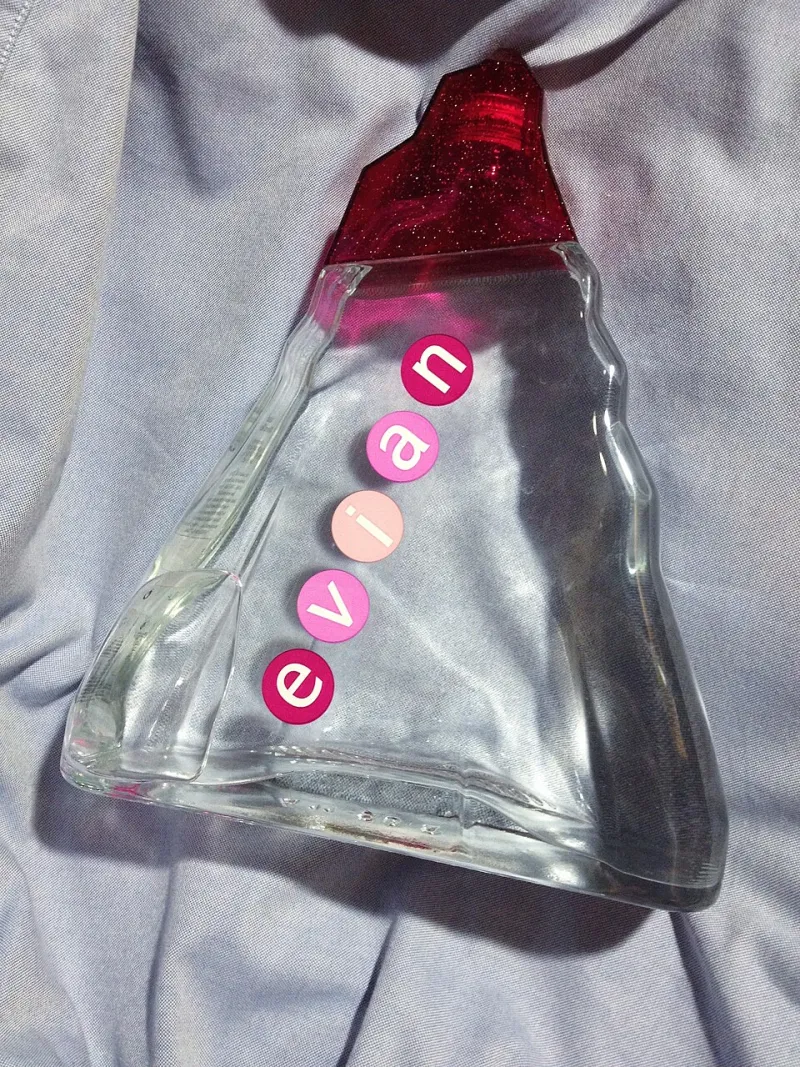
Photo: Qirille, CC BY-SA 4.0, via Wikimedia Commons
Here's something worth sitting with for a second: that item you've been refreshing your browser for, the one with the countdown timer and the "only 500 made" badge — it didn't happen by accident. Someone in a conference room decided that you would want it badly enough to set an alarm for a 10 a.m. drop. And honestly? The strategy is working better than ever.
Brands have gotten extraordinarily good at manufacturing collectibility. Not stumbling into it, not getting lucky with a product that resonated — but deliberately, systematically engineering the conditions that make something feel precious, rare, and worth chasing. It's a fascinating business strategy, and if you're a shopper or a collector, it's worth understanding exactly how the machine works.
The Blueprint: How You Build a Collectible on Purpose
The playbook isn't a secret — it's actually pretty well documented in marketing circles. The core levers are scarcity, community, and storytelling.
Scarcity is the obvious one. When supply is limited, basic economics kicks in and perceived value goes up. But modern brands have refined this well beyond just "making fewer units." They create tiered scarcity — a general release, a retailer exclusive, a "creator edition," a convention-only variant — so that there's always a more limited version for collectors to chase. Each tier becomes its own micro-obsession.
Community amplification is where things get really interesting. A brand doesn't need to tell you something is collectible if a passionate fan base does it for them. Companies actively cultivate Discord servers, subreddits, and influencer ecosystems that do the hype work organically. By the time a drop hits, the community has already spent weeks building anticipation. The brand just has to show up with the product.
Storytelling gives the object meaning beyond its physical form. A sneaker isn't just a sneaker — it's tied to a specific athlete's comeback story, or a cultural moment, or a collaboration with an artist who has a dedicated following. That narrative is what justifies the premium price and what collectors tell themselves (and others) when explaining why they needed it.
The Ethics of Artificial Exclusivity
This is where things get a little murky. There's a real debate in collector communities about whether intentionally manufactured scarcity is fundamentally different from "natural" scarcity — and whether that difference matters.
On one side, the argument is pretty pragmatic: all value is constructed. A baseball card from 1952 is only worth thousands of dollars because a community of collectors decided it was. If a modern brand creates genuine enthusiasm and a real community around a product, why is that less legitimate? The experience of hunting for and owning the item is real, regardless of how the scarcity was engineered.
On the other side, critics point out that artificial scarcity is often just a pricing mechanism dressed up as cultural significance. When a major sneaker brand produces 50,000 pairs of a "limited" shoe and releases them in staggered regional drops to maximize the appearance of scarcity, that's not really the same as a genuinely rare item. It's theater — and consumers are paying a premium for the performance.
The honest answer probably lives somewhere in the middle. Manufactured collectibles can hold real value if the brand maintains its cultural relevance and controls supply responsibly over time. But they can also crater fast if the brand loses its cool factor or floods the market. The difference between a collectible and a cash grab often only becomes clear in retrospect.
Real-World Examples Worth Examining
Stanley cups are a recent case study that almost writes itself. The brand existed for over a century as a utility product — then a targeted social media strategy repositioned it as a lifestyle accessory, specific colorways sold out within hours, and the secondary market exploded. Was that organic? Partly. Was it also carefully orchestrated through influencer seeding and limited color drops? Absolutely. The result was a genuine cultural moment, but one with a clear strategic architecture underneath it.
LEGO has mastered this over decades. The company retires sets deliberately, creating scarcity on a slow burn. Collectors know that a set will eventually be discontinued, which creates sustained demand. Retired sets routinely double or triple in value on the secondary market — and LEGO benefits both from the initial sale and from the brand prestige that comes with being seen as a legitimate collectible category.
McDonald's Happy Meal toys offer a more complicated example. Recent collaborations — the Adult Happy Meal campaign, Cactus Plant Flea Market toys — were explicitly designed to generate collector behavior from a product that historically wasn't positioned that way. They worked, at least in the short term. Whether those items hold any long-term value is a much harder question.
What Collectors Should Actually Think About Before Buying
If you're buying something specifically because you think it'll appreciate in value, the engineered nature of the collectibility matters a lot. A few things worth asking:
Does the brand have a track record? Companies that have maintained collector communities and controlled supply responsibly for years are more likely to protect value than brands doing their first "limited drop" as a marketing experiment.
Is the scarcity real or theatrical? A run of 500 items is genuinely scarce. A run of 50,000 items released in batches to simulate scarcity is something else entirely. Try to find out actual production numbers before assuming rarity.
Is there an independent community driving demand, or just brand-controlled hype? Authentic collector communities form around objects regardless of what the brand does. If the only people talking about an item's value are the brand's own channels and paid influencers, that's a yellow flag.
Would you want it if it wasn't limited? This is the gut-check question. If the answer is no, you're probably buying the feeling of exclusivity, not the object itself. That's not necessarily wrong — experiences have value — but it's worth being honest about what you're actually purchasing.
The Bottom Line
Brands engineering collectibility isn't going anywhere. If anything, it's becoming more sophisticated, with companies using data analytics to time drops, predict demand, and fine-tune the scarcity dial. As a shopper, the best defense is just knowing how the game is played.
That doesn't mean you can't enjoy the chase or feel genuine excitement about a drop. It just means going in with your eyes open — understanding that the urgency you feel was probably designed by someone whose job it is to make you feel exactly that. Buy smart, buy what you love, and maybe double-check those production numbers before you set that alarm.