From Attic Dust to Serious Cash: The Wild Surge in Vintage Toy Values
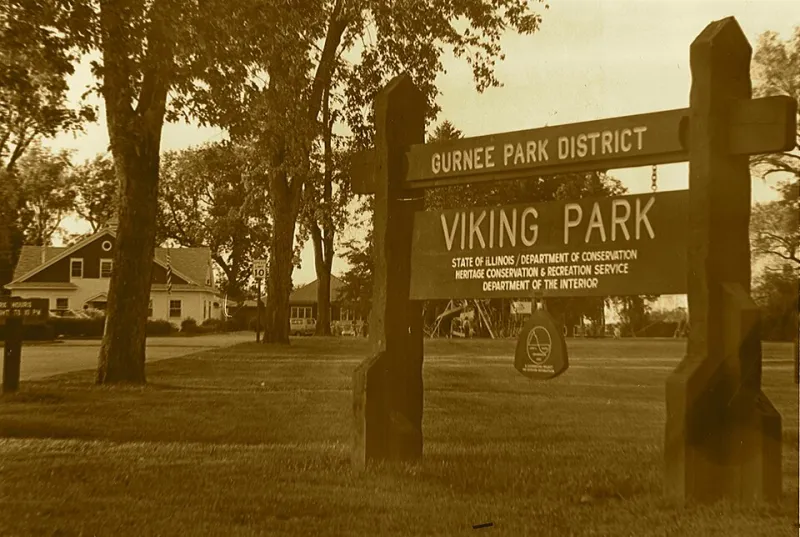
Photo: All of these photos were taken by members of the park district and are owned by the park district. The authors of the vintage photos are unknown, but the modern photos were taken by our multimedia designer, Giosi Galati., CC BY-SA 4.0, via Wikimedi
Somewhere in America right now, someone is opening a cardboard box in their parents' garage and losing their mind. Not because of spiders — though probably those too — but because the toys they left behind are fetching prices that would make a real estate agent jealous.
The secondary market for vintage toys, board games, and 90s nostalgia items has gone absolutely nuclear over the past decade. And if you grew up watching Saturday morning cartoons and begging for action figures at Kmart, there's a decent chance you're sitting on something valuable without even knowing it.
The Numbers That'll Make You Dig Through Your Closet
Let's start with some real talk on pricing. A sealed, first-edition G.I. Joe action figure from the early 1980s recently sold on eBay for over $18,000. A complete, boxed set of original Star Wars figures — the kind kids actually played with in 1977 — has cleared $100,000 at auction. Even a mint-condition Furby from 1998 can pull $900 or more today, which is genuinely surreal given that most of them ended up buried in toy chests after two weeks.
More grounded examples hit closer to home for a lot of collectors. Original Polly Pocket compacts from the late 80s regularly sell for $200 to $500 each. Sealed Pokémon Base Set booster packs have gone for thousands — one graded pack sold for over $40,000 in 2021. Even Hot Wheels cars from the late 1960s, in good condition, routinely command $1,000 or more per vehicle.
For context: the average price of a new car in the US right now sits around $48,000. A single carded Boba Fett action figure from 1979 — the rocket-firing prototype version — sold at auction for $185,850. That's not a typo.
Why Is This Happening Now?
The short answer is Gen X and millennials hitting their peak earning years at the exact same moment nostalgia becomes a full-blown economic force.
"People are willing to spend serious money to recapture something that felt safe and exciting," says Marcus Delray, a vintage toy dealer based in Chicago who's been buying and selling collectibles for 15 years. "There's a real emotional component here. A guy turns 45, his kids are growing up, and suddenly he wants that Optimus Prime he had when he was eight. That desire plus disposable income is a powerful combination."
The pandemic accelerated things dramatically. With people stuck at home, eBay and other resale platforms saw massive spikes in vintage toy sales. Collectors who had been casually browsing suddenly had hours to research, bid, and buy. New collectors entered the market. Prices climbed. And they mostly haven't come back down.
Social media has played a huge role too. Unboxing videos of vintage toy hauls rack up millions of views on YouTube. TikTok collectors show off their finds to audiences that then go hunting for the same items. It creates a feedback loop where visibility drives demand drives price.
The Specific Items That Have Appreciated Most
Not everything from your childhood is worth a fortune, but here's where the real action has been:
Original Masters of the Universe figures (1982–1987): Sealed He-Man figures have jumped from garage sale fodder to $300–$2,000+ depending on character and condition. Certain variants like the blue cross He-Man are worth significantly more.
Teenage Mutant Ninja Turtles (1988–1992): The original Playmates figures, especially sealed on card, have gone from nearly worthless to $100–$800 per figure. Complete playsets can run several thousand dollars.
Nintendo games, sealed: A sealed copy of Super Mario Bros. for NES sold for $660,000 in 2021. Even common titles in sealed condition have appreciated dramatically.
90s Beanie Babies (select editions): Most are still basically worthless — but Princess the Bear, tag errors, and first-edition versions with specific hang tags have sold for hundreds to thousands.
Vintage board games: Complete copies of original Candy Land, Clue, and especially rare regional editions have found buyers at $100–$500. Games with all pieces intact are significantly more valuable.
What Condition Actually Means in This Market
Here's the thing that trips up a lot of first-time sellers: condition is everything, and it's more nuanced than you'd expect.
The grading company WATA grades video games; AFA (Action Figure Authority) grades action figures. A toy graded 85 (near mint) can be worth two to five times more than the same toy graded 75 (fine). Sealed items are exponentially more valuable than opened ones. And "played with" condition — scuffs, missing accessories, faded paint — significantly drops the value even if the item itself is rare.
That said, don't assume your opened figures are worthless. Complete sets with all accessories intact, in good cosmetic condition, still command strong prices. The market has room for collectors at every level.
So Should You Sell?
That's really the question, isn't it? If you've got vintage toys in storage, it's absolutely worth doing some research before you donate or sell them in a lot. Check completed eBay listings — not current asking prices, but actual sales — to see what things are realistically moving for.
For anything potentially high-value, consider getting a professional appraisal before selling. And if you're thinking about buying into this market as a collector or investor, do your homework. Not every 80s toy is appreciating, and buying at peak hype prices can sting.
But if you're the person standing in that garage, box in hand, wondering if any of this stuff matters? The answer, increasingly, is yes. Sometimes the things you loved as a kid turn out to be worth keeping after all — or at least worth looking up before you let them go.