Engineered Hype: How Brands Are Building Tomorrow's 'Rare' Finds Right Now
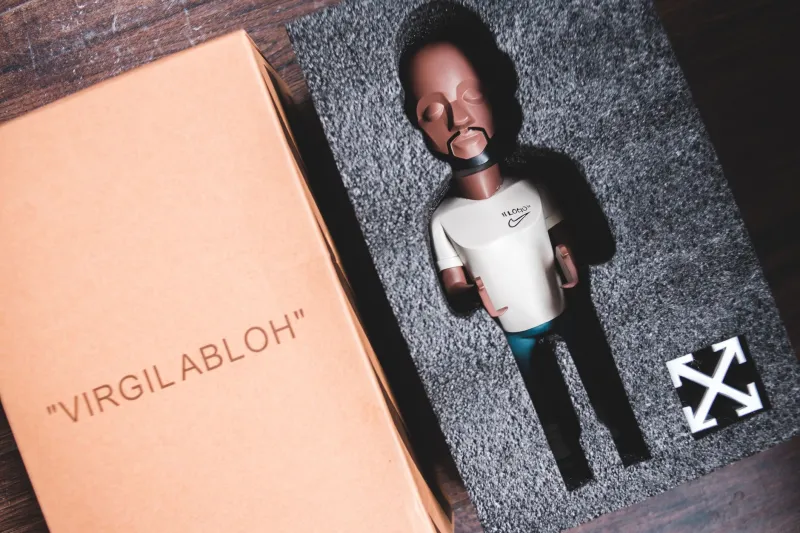
Let's start with something that might be uncomfortable to hear: the collectible you're convinced is a genuine find was probably designed to make you feel exactly that way. Not by accident. Not by market forces. By a product team, a marketing strategist, and a brand manager who spent months engineering the specific emotional response you're currently having.
This isn't cynicism. It's just how the modern collectibles market actually operates — and understanding it makes you a smarter buyer.
The Architecture of Artificial Scarcity
Limited editions have existed as long as commercial production has. But the strategy has evolved from a simple print run decision into a sophisticated psychological tool with multiple moving parts.
The modern limited-release playbook typically involves a few core elements. First, the number: a production run small enough to sell out quickly but large enough to generate widespread awareness. Too few units and the release becomes a footnote. Too many and the secondary market never materializes. Brands have gotten very good at threading this needle.
Second, the timing: drops are timed to coincide with cultural moments — anniversaries, nostalgia cycles, franchise reboots — that give the release emotional context beyond the object itself. A sneaker that launches alongside a Netflix documentary about the athlete it's named after isn't limited by accident. The documentary is part of the product.
Third, the platform: where and how you can buy something shapes how it's perceived. A release that's only available through a specific retailer, or only through a brand's own app, or only at a physical event, carries implied exclusivity before anyone even sees the product.
"Brands are essentially selling access and identity as much as they're selling an object," says one brand consultant who works with consumer goods companies on collectible line extensions. "The physical item is almost secondary to the experience of acquiring it."
Nostalgia as a Product Feature
Generational nostalgia is probably the most powerful tool in the engineered collectibles toolkit, and it's being deployed with increasing precision.
The mechanics are fairly straightforward once you see them. A brand identifies a product or aesthetic from 20 to 30 years ago that has strong emotional associations with a demographic now in their 30s and 40s — people with disposable income and a desire to reconnect with formative experiences. The brand relaunches or reimagines that product with modern quality standards but vintage-coded design. Limited quantities. Strategic media coverage. The result is a product that feels like a discovered artifact rather than a manufactured release.
Nike has done this repeatedly with retro Jordan colorways. Pokémon does it with vintage-style card sets. Funko has built an entire company around the principle. Even food brands have gotten in on it — the Surge soda relaunch, Crystal Pepsi's brief return, the ongoing parade of discontinued cereals that come back for limited runs — these aren't driven by demand research. They're driven by nostalgia engineering.
What's worth noting is that nostalgia cycles have compressed. Brands used to wait 25 years before mining a decade's aesthetic. Now they're working on 10-year cycles, sometimes less. The 2010s are already being retroactively collectivized.
The Secondary Market as a Marketing Channel
Here's the part that a lot of collectors don't fully reckon with: brands pay attention to secondary market prices, and some of them actively manage them.
When a limited release sells out instantly and immediately appears on StockX or eBay at two or three times retail, that's not just a market outcome — it's a brand signal. It tells the brand that demand exceeded supply (which they already knew, because they set the supply), and it generates organic media coverage. "[Brand] release sells for $400 on eBay" is a headline that costs the brand nothing and reinforces the collectible narrative.
Some brands have taken this further by seeding influencers and collectors with early access or gifted items, creating a visible secondary market before the public release even happens. By the time the average buyer sees the product, there's already a documented resale history that validates the collectible framing.
"The secondary market is essentially free advertising for the primary release," notes one marketing professional who declined to be named because their clients include several major consumer brands. "Every time a resale price gets screenshotted and shared, someone else decides they need to get in on the next drop."
How to Spot the Engineered Stuff
None of this means engineered collectibles are worthless or that buying them is a mistake. Plenty of people buy limited releases because they genuinely love the product. The issue arises when buyers treat engineered scarcity as organic rarity — when they assume secondary market prices reflect collector consensus rather than manufactured demand.
A few signals that a "limited" release is more engineered than organic:
The scarcity is announced before the product is fully revealed. If a brand is leading with "only 5,000 units" before you've even seen the thing, the scarcity is the product. That's a marketing decision, not a production constraint.
The release is timed to a media moment. Launches coordinated with anniversaries, franchise events, or cultural milestones are deliberately leveraging emotional context. That doesn't make the product bad, but it explains why you want it.
There's a built-in authentication infrastructure from day one. Numbered certificates, holographic stickers, and app-verified ownership codes on a brand new release suggest the brand anticipated — and planned for — a secondary market. Genuine collectibles usually develop authentication needs after the fact.
The brand has done this before. Companies with a track record of limited releases are running a playbook, not responding to organic demand. That track record is worth researching before you commit money.
Genuine Finds Still Exist — Here's What They Look Like
For every engineered drop, there are still products that become collectible without anyone planning it. These tend to share a few characteristics: they were produced in limited quantities for practical reasons (short production runs, regional distribution, small initial orders), they weren't marketed as collectibles at launch, and their secondary market value developed over years rather than days.
Vintage fast food promotional toys. Regional candy brands that went out of business. Promotional merchandise for events that didn't happen due to cancellations. Sports memorabilia from teams that relocated. These things have collectible value because circumstances made them rare — not because a brand strategist decided they should be.
The difference between those items and an engineered drop isn't always obvious in the moment. Time is usually the clarifier. Engineered scarcity tends to peak fast and fade — the secondary market for most hyped releases looks very different 18 months after launch than it did at release week. Organic rarity tends to appreciate more slowly and hold value more steadily.
Knowing which one you're buying doesn't mean you shouldn't buy. It just means you're going in with accurate expectations — which, in any market, is the only real edge you've got.