Ghost Mall Hunting: How Collectors Are Cleaning Up in America's Dying Shopping Centers
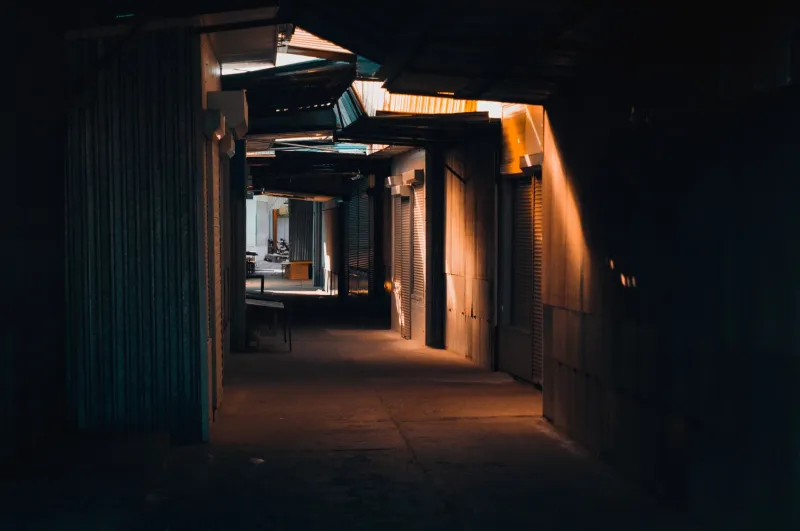
There's a certain smell to a dying mall. Stale air, maybe a faint trace of Auntie Anne's from a decade ago, and underneath it all — possibility. If you're a collector and you've never walked the corridors of a half-dead indoor shopping center with your eyes open, you're missing one of the stranger and more rewarding sourcing opportunities still left in the US retail landscape.
This isn't a romantic thing. It's a practical one.
Why Malls Die the Way They Do
The collapse of the American mall didn't happen overnight, but the acceleration over the last five or six years has been genuinely dramatic. According to commercial real estate analysts, somewhere between 25 and 50 percent of the roughly 1,000 remaining enclosed malls in the US are considered at risk of closure or significant repurposing. That's a lot of square footage — and a lot of inventory that doesn't have anywhere obvious to go.
When anchor tenants like Sears, JCPenney, or regional department store chains shutter, they often leave behind a mess. Fixtures get stripped. Employees scatter. But merchandise? Merchandise has a way of lingering. Stockrooms don't always get fully cleared. Overstock that never made the floor gets forgotten. And the stores that remain — the ones hanging on by a thread in a mall that's 60 percent dark — often start making unusual decisions about what to do with their own inventory.
That's where collectors come in.
The Stores Nobody's Watching Anymore
Here's something that doesn't get talked about enough: when foot traffic drops to almost nothing, the retail math inside surviving stores completely changes. A Spencer's Gifts or a Hot Topic in a thriving mall is moving product, watching shrink numbers, and managing inventory tightly. That same store in a ghost mall is running a skeleton crew and trying to make quarterly numbers with a fraction of the customers.
Collectors who've figured this out describe a very different shopping experience. Clearance sections get deeper and weirder. Items that would've been restocked or pulled at a normal location just... sit there. Price tags start reflecting desperation rather than strategy.
Marcus, a collectibles reseller based in Ohio who asked us not to use his last name, has been working the dying mall circuit for about three years. "There's a Sears Tools liquidation outlet inside a mall near me that's basically a treasure hunt every single week," he told us. "I've pulled vintage Craftsman pieces, unopened toy sets from brands that don't exist anymore, stuff that would go for real money on the secondary market. And nobody's competing with me because nobody else is walking in there."
That lack of competition is the real edge. Online resellers and auction hunters have largely moved to liquidation platforms and storage unit auctions. The physical dead mall is, for now, surprisingly underworked.
Landlords Have Bigger Problems Than You
One thing that makes this scene function is the attitude shift among mall property owners. Simon Property Group and other major mall REITs are dealing with existential financial pressure — they're not dispatching security to hassle someone who's spending money in their remaining tenants. In some cases, landlords have actively started repurposing dead anchor space into flea markets, pop-up collector shows, and antique vendor setups specifically because it generates foot traffic and some rent.
The Burlington, Vermont–area Champlain Centre mall famously converted a chunk of its former department store space into a sprawling vintage and antique market. Similar experiments have popped up in the Midwest and Southeast. For collectors, these hybrid spaces are basically a curated version of what's already happening organically — just with better lighting.
Even where formal conversion hasn't happened, the vibe has shifted. "I've walked into malls where I'm clearly one of five people in the building and nobody bats an eye," says Trisha, a vintage toy collector from Georgia. "The security guard is on his phone. The remaining store owners are happy to see anyone. It's a completely different energy than a normal retail environment."
What You're Actually Looking For
So what kinds of scores are people pulling from these spaces? It varies a lot by location and what the mall's anchor tenants were, but a few categories come up repeatedly:
Vintage electronics and accessories. Stores that sold gadgets and peripherals in the early 2000s sometimes have stockroom remnants that are genuinely collectible now — cables, cases, accessories for discontinued devices.
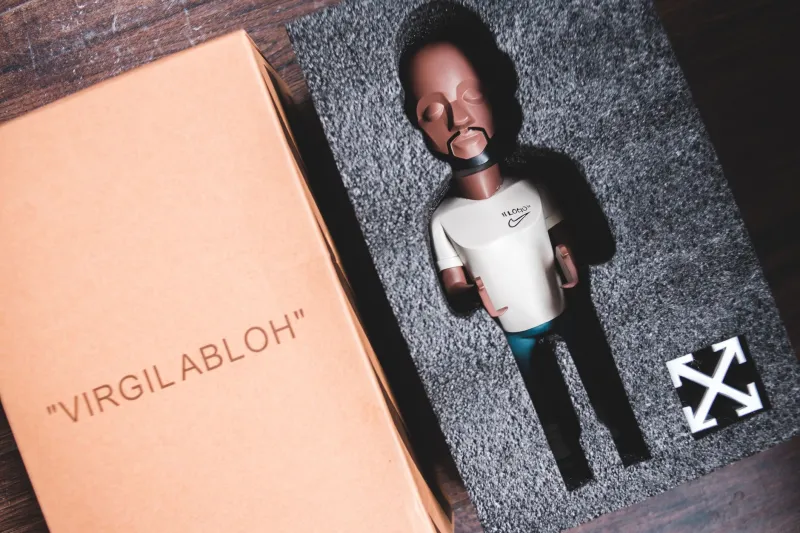
Toys and action figures. This is a big one. Regional toy retailers and department store toy sections left behind inventory that includes runs from the late 90s through mid-2000s that were never popular enough to sell through but are now nostalgia gold.
Sporting goods and licensed merchandise. Defunct sporting goods chains sometimes had massive back stock of licensed team gear that's now out of print. Collectors of specific teams or eras chase this stuff hard.
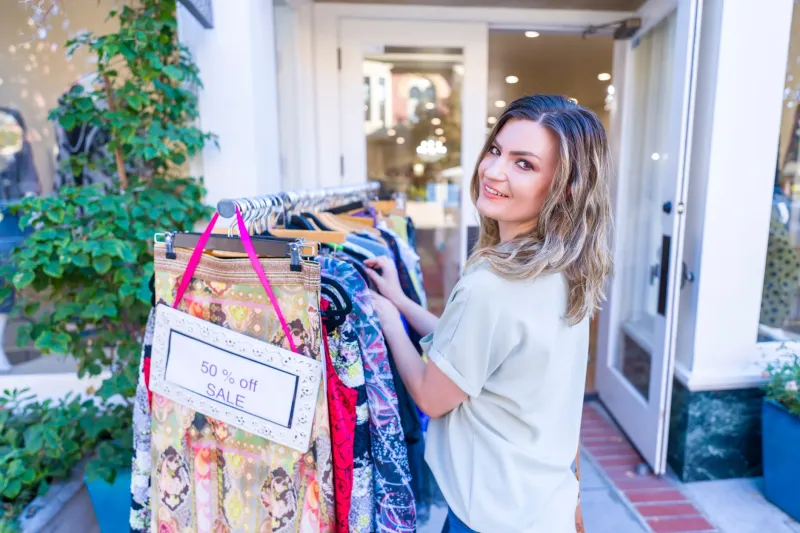
Clothing and accessories. Certain fashion labels from the mall era — brands that are now either gone or significantly diminished — have become collectible in their own right. Y2K-era fashion is particularly hot right now.
The Practical Side of Ghost Mall Collecting
If you want to actually do this, a few things are worth knowing. First, research which malls near you are struggling — sites that track mall closures and vacancy rates are easy to find with a quick search. Second, go on weekdays when the remaining staff is minimal and relaxed. Third, bring cash. A surprising number of these stores have spotty payment systems or will negotiate differently with cash buyers, especially on clearance or bulk items.
And be patient. Ghost mall hunting is more like foraging than shopping. You might go three times and find nothing remarkable. The fourth visit might pay for all of them.
The dead mall isn't just an artifact of economic change. For collectors who know how to look, it's one of the few remaining physical spaces where genuine surprises still happen — where the algorithm hasn't gotten there first and the crowd hasn't shown up yet. That's increasingly rare, and increasingly valuable.