Grandma's Basement Has Money in It: A No-Nonsense Guide to Sorting the Treasure from the Trash
Somebody's got to deal with the basement. Maybe a parent passed, maybe you're helping clear out a childhood home, or maybe your folks finally decided that forty years of accumulated stuff needed to go somewhere that isn't their crawl space. Whatever the situation, you're standing in front of shelves and boxes and old furniture, and you have absolutely no idea where to start.
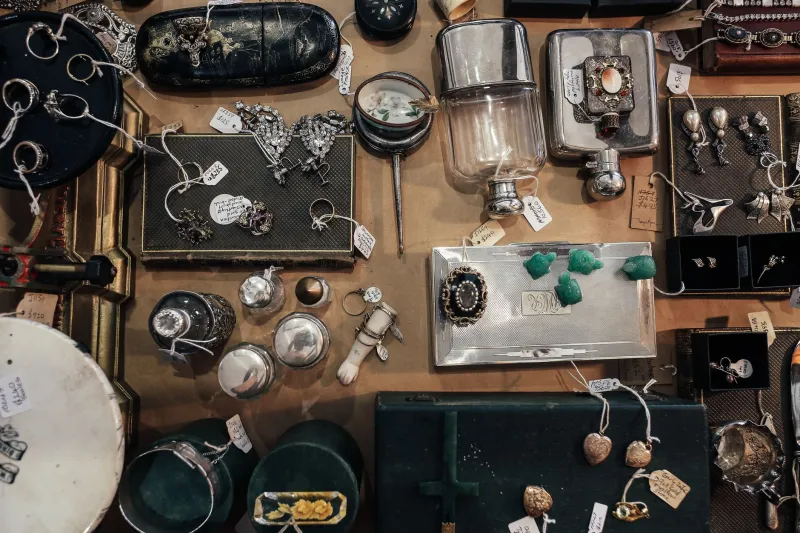
Here's the thing most people don't realize: a significant chunk of what gets tossed, donated, or sold for a dollar at a garage sale every single weekend in this country is worth considerably more than that. Not always life-changing money. But often enough money that you'd kick yourself for missing it.
This guide is about doing this right — without needing to hire an appraiser, without spending weeks on it, and without turning into a hoarder in the process.
Before You Touch Anything, Do a Walkthrough
Seriously. Don't start grabbing and sorting right away. Walk through the whole space first. Get a feel for what categories of stuff are even there. You're looking for broad patterns — toys, kitchenware, paper goods, electronics, clothing, sports stuff, figurines, tools.
The reason you do this first is that context matters. A single ceramic figurine sitting next to a box of random junk reads differently than a shelf full of them arranged carefully. Intentional collections tend to have more value than random accumulation. If someone clearly collected something, that's your first signal to pay closer attention.
Also note anything that's still in original packaging. That's almost always a flag worth investigating.
The Categories Most Likely to Pay Off
Not everything old is valuable, and plenty of genuinely old stuff is worth nothing. But certain categories have consistently active resale markets in the US right now, and these are the ones you want to pull aside for a second look:
Toys from the 1970s through the 1990s. Action figures, die-cast vehicles, board games with all their pieces, Lego sets. The nostalgia market for this era is enormous. Even played-with condition items can move.
Sports cards and trading cards. Anything pre-2000 is worth at least a quick check. A single card in the right condition from the right player can be genuinely surprising. Don't throw out shoeboxes of cards without at least scanning them.
Vintage electronics and cameras. Film cameras especially. Certain brands — Minolta, Pentax, Olympus, Canon AE-1 — have a dedicated enthusiast market. Old transistor radios, working or not, also have collectors.
Advertising and paper ephemera. Old tin signs, original product packaging, vintage magazines (especially first issues or significant cover dates), postcards, and catalogs. Paper stuff gets overlooked constantly.
Depression-era glass, pottery, and ceramics. Fiestaware, Hull pottery, McCoy — these have active collector communities. Colors and marks matter a lot here.
Comic books. Pre-1985 in particular. Condition is everything, but even reading-copy condition on the right issue can be worth something.
Your Research Toolkit (And It's Free)
You don't need to hire anyone to do basic research. Here's the process:
eBay's sold listings. This is your most important tool. Search for the item, then filter by "Sold Items" under the search options. You're not looking at asking prices — you're looking at what people actually paid. That's the real market.
Google Lens. Point your phone camera at something and let it search visually. It's genuinely useful for identifying marks, patterns, and manufacturer stamps on ceramics, glass, and figurines.
WorthPoint (paid, but has a free trial). Deep historical auction data. Worth using your trial period strategically if you've found a lot of items.
Reddit communities. r/whatsthisworth and r/Antiques are both active and helpful. Post a clear photo with measurements and any visible marks, and you'll usually get a response within hours.
The Marks and Stamps Worth Learning
A lot of identification comes down to maker's marks. On the bottom of ceramics and pottery, look for impressed or painted stamps. On silver items, look for hallmarks — a number like "925" means sterling. On vintage toys, look for copyright dates and manufacturer names molded into the plastic.
For paper items, edition information and copyright dates on the inside cover or back page can tell you a lot. First editions of certain books, even in modest condition, can be worth tracking down.
You don't need to memorize everything. You just need to photograph it, note it, and look it up before anything goes in a donation bag.
The Keep / Sell / Donate Framework
Once you've done your research pass, sort everything into three buckets:
Keep — things with genuine sentimental value to family members, or things you've confirmed have value and you want to hold onto strategically.
Sell — anything with a confirmed resale value above roughly $20 is worth listing somewhere. Below that, it depends on how much time you want to spend. Facebook Marketplace and local buy/sell groups are low-friction for bulkier items. eBay makes sense for smaller items that ship easily.
Donate — everything that didn't make either list. But do this after the research pass, not before.
The Mistake That Costs People the Most
The single biggest error is speed. People in the middle of an emotional or logistically stressful cleanout just want it done. That urgency is completely understandable, but it's expensive. Entire collections get donated to thrift stores where a picker walks in two days later and buys them for next to nothing.
Give yourself at least a weekend to do the research pass before anything leaves the property. That's not a huge ask for what might turn out to be a meaningful amount of money.
The stuff in that basement has been there for decades. It can wait another 48 hours while you figure out what you've actually got.