Liquidation Gold Rush: How Shoppers Are Striking It Rich on Inventory From Stores That No Longer Exist
There's something weirdly exciting about a going-out-of-business sale. The red signs, the picked-over shelves, the cashiers who look like they'd rather be anywhere else. But by the time those signs go up, the real action has already happened — and most shoppers completely missed it.
A growing community of buyers, resellers, and flat-out treasure hunters has figured out how to tap into the inventory stream before it ever hits a clearance rack. We're talking about the liquidation market: the sprawling, somewhat chaotic ecosystem of bulk lots, wholesale pallets, and auction-house windfalls that emerges every time a major retail chain bites the dust.
And lately? Business is booming.
Why Retail Closures Are Actually a Supply Chain Event
When a retailer like Bed Bath & Beyond, Tuesday Morning, or Pier 1 shuts down, there's a massive logistical problem that doesn't make the headlines: what happens to all the stuff?
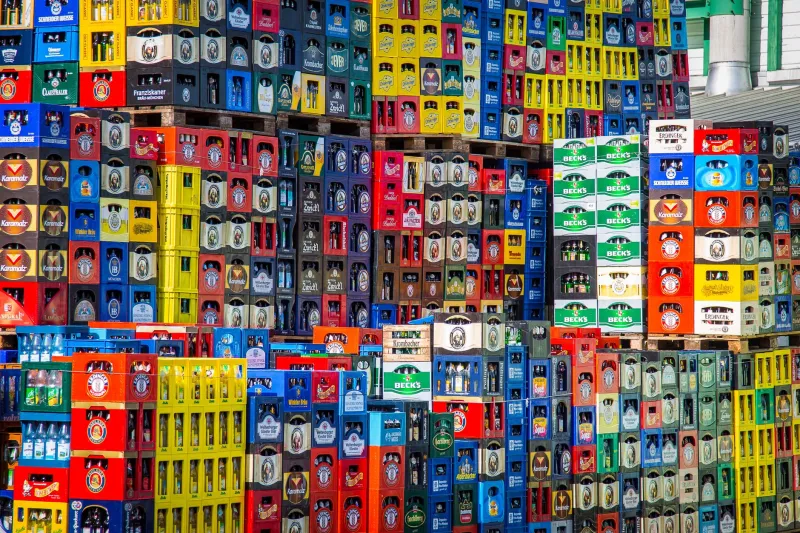
In most cases, the merchandise doesn't just vanish. Bankruptcy courts oversee asset liquidation, and that includes physical inventory. Liquidation companies — firms like B-Stock, Liquidity Services, and BULQ — step in to purchase enormous quantities of stock at a fraction of retail value, then resell it in bulk lots through online auction platforms.
That's where the opportunity begins.
Buyers can bid on pallets of merchandise, sometimes without knowing exactly what's inside. Think of it like a retail mystery box, except the stakes are real money and the rewards can be genuinely surprising. A single pallet from a defunct home goods chain might contain a mix of kitchen gadgets, decorative items, and small appliances — some opened, some still shrink-wrapped, some in perfect condition.
For the right buyer, that's not a gamble. That's a business model.
The Millennial Connection: Nostalgia Meets Hustle
Here's where things get interesting. A significant chunk of the people diving into liquidation buying aren't professional resellers or warehouse operators. They're millennials — people who grew up shopping at these now-defunct chains and feel a genuine pull toward the merchandise those stores carried.
There's a nostalgia factor that's hard to overstate. Finding a sealed, never-opened item from a store that closed five years ago hits differently than finding the same product on Amazon. It carries a story. It has context. And in the collectibles world, context is currency.
That Sharper Image ionic breeze, that Brookstone massage gadget still in the box, that Circuit City-branded promotional item — these aren't just products anymore. They're artifacts. And the market for retail artifacts has been quietly heating up for years.
Millennials in particular seem wired to attach sentimental value to the retail experiences of their youth, and that emotional connection is driving real purchasing decisions in the liquidation space.
How the Economics Actually Break Down
Let's talk numbers, because this is where the strategy either makes sense or falls apart.
A standard liquidation pallet from a major retailer might cost anywhere from $200 to $1,500 depending on the category, the source, and the condition grade. "Grade A" lots typically contain customer returns that are lightly used or barely opened. "Grade C" is more of a wild card — broken items, missing parts, and the occasional gem buried underneath.
Smart buyers start with category research. Electronics liquidation pallets are high-risk, high-reward. Home décor tends to be more predictable. Toys and seasonal merchandise from defunct chains can be surprisingly lucrative, especially if the items were exclusive to that retailer.
One case study that gets passed around in reseller communities involves a buyer who purchased several pallets of inventory from a Toys "R" Us liquidation auction shortly after the chain's 2018 collapse. The lots included store-exclusive action figures and playsets that were never restocked elsewhere. Within 18 months, those items were selling individually on eBay for multiples of what comparable mass-market toys were fetching — simply because Toys "R" Us no longer existed to reorder them.
Scarcity created by retail death is a real phenomenon, and it's not going away.
Where to Actually Find This Stuff
If you're curious about getting started, the entry points are more accessible than you might think.
B-Stock is probably the most well-known platform for business liquidation auctions. It connects buyers directly with major retailers and their liquidation partners. You'll find lots from Walmart, Amazon, Target, and yes — chains that no longer operate.
Liquidity Services (which runs GovPlanet and AllSurplus) handles a wide range of asset types, including retail merchandise. Their lots can skew larger, so this platform makes more sense once you've got some buying experience under your belt.
BULQ offers a slightly more beginner-friendly approach, with manifested lots — meaning you can see a general breakdown of what's in the pallet before you buy. That transparency makes it easier to estimate resale potential.
Beyond dedicated platforms, local estate auctions, storage unit sales, and even Facebook Marketplace can surface individual items from defunct retailer stock. The trick is knowing what you're looking at when you find it.
The Risks Nobody Talks About Enough
Let's be real — not every pallet is a winner. The liquidation world has its share of landmines.
Shipping costs can gut your margins fast, especially on heavy pallets. Storage is another overlooked expense; if you're buying volume, you need somewhere to put it. And the resale timeline isn't always predictable — some items move in days, others sit for months.
Condition is the biggest variable. Even "Grade A" lots can contain items with cosmetic damage, missing accessories, or packaging that's been compromised. If you're buying to resell as collectibles, condition matters enormously. A dented box on a sought-after item can cut its value in half.
There's also the authentication issue. As defunct retailer items become more desirable, fakes and misrepresented items have started creeping into the market. That "store exclusive" might not be as exclusive as the seller claims. Do your research before you bid.
Is This Worth Your Time?
Honestly? That depends on what you're after.
If you're looking for a side hustle with real upside, the liquidation market rewards people who do their homework. Category knowledge, platform familiarity, and a realistic grasp of resale values are the tools that separate profitable buyers from people who end up with a garage full of stuff they can't move.
If you're a collector chasing specific items from stores you remember fondly, the liquidation world can be a genuinely exciting hunting ground. You're not just buying merchandise — you're recovering a piece of retail history that's otherwise gone.
Either way, the market for inventory from bankrupt retailers is real, it's growing, and the people paying attention are finding things worth finding.
The stores are closed. The merchandise isn't.