Fakes So Good They're Scary: Inside the New War Over Collectibles Authenticity
Not long ago, spotting a fake collectible was mostly about knowing what to look for — slightly off ink colors, a seam where there shouldn't be one, stitching that didn't quite match. Experienced collectors could eyeball a suspicious item and call it out in seconds. That era is pretty much over.
AI-powered counterfeiting has changed the game in a way that nobody in the hobby fully anticipated. The fakes coming out of sophisticated operations today aren't just good — they're disturbingly close to perfect. And the collectors, dealers, and authentication services scrambling to keep up are doing so in real time, without a playbook.
What's Actually Happening Out There
Let's be direct about what we're dealing with. Generative AI tools and advanced manufacturing techniques have lowered the barrier to creating convincing forgeries to an almost absurd degree. A counterfeit operation that would have required significant capital and specialized expertise five years ago can now be run with off-the-shelf software and affordable production equipment.
The targets aren't just high-dollar vintage cards or rare action figures, either. Sports memorabilia, signed comic books, limited-edition sneakers, vintage video game cartridges, even niche items like vintage fast food premiums — if it has value in the secondary market, someone somewhere has figured out how to fake it convincingly.
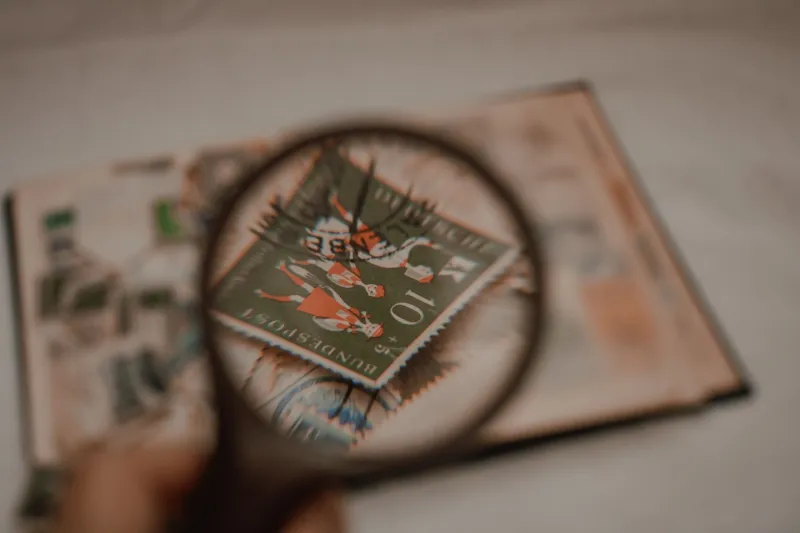
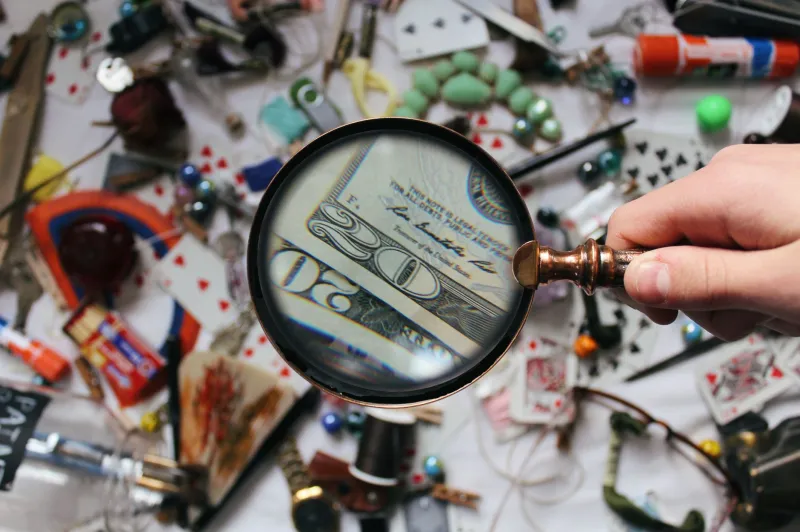
One authentication specialist who works with a major online marketplace described a recent case where a supposed 1980s-era trading card passed visual inspection, passed a basic UV light test, and even had convincing period-appropriate aging on the cardboard. The tell? A microscopic inconsistency in the ink dot pattern that only showed up under high-magnification imaging. Without that level of scrutiny, it would have sold as genuine.
The Tools Collectors Are Turning To
So what's the response from the authentication side? A few different approaches are gaining traction, and they range from accessible to pretty technical.
Spectroscopic analysis is becoming more common at the professional level. This technique examines the chemical composition of inks, paper, and materials at a molecular level. Modern fakes might look identical to the naked eye, but the chemical signatures of materials manufactured decades apart are different in ways that can't be replicated without extraordinary effort and expense — at least for now.
AI-assisted image verification is the ironic twist in this whole story. The same category of technology being used to create better fakes is also being deployed to catch them. Several authentication services are training machine learning models on enormous datasets of verified genuine items, teaching the systems to flag anomalies that human inspectors might miss. It's essentially fighting fire with fire.
Blockchain-based provenance tracking has been talked about in collecting circles for years, but adoption is finally picking up steam. The idea is straightforward: attach a verifiable, tamper-resistant digital record to a physical item at the point of creation or first authentication. Every subsequent sale or transfer gets logged. It doesn't prevent fakes from entering the market, but it makes building a convincing paper trail for a counterfeit significantly harder.
Community-driven verification networks are also worth mentioning. Online collector communities — particularly on Reddit, Discord servers, and dedicated forums — have become surprisingly sophisticated first-line detection systems. Crowd-sourcing expertise across thousands of knowledgeable hobbyists means suspicious listings often get flagged and dissected publicly before they can move.
The Cases That Keep Experts Up at Night
There have been a few high-profile near-misses that circulate in authentication circles as cautionary tales. A signed basketball jersey that cleared two separate authentication services before a third caught that the signature's ink chemistry post-dated the supposed signing date by several years. A vintage video game lot where sealed boxes had been expertly re-sealed using period-correct adhesive techniques, with the modern games inside swapped for convincing reproductions.
Then there's the emerging problem of AI-generated documentation. Certificates of authenticity, provenance letters, auction house records — all of these can now be fabricated with a level of polish that's genuinely alarming. Physical items paired with convincing fake paperwork create a compounding problem for buyers who rely on documentation as part of their due diligence.
What This Means If You're Buying
None of this is meant to make you paranoid about every purchase — but it should sharpen your habits, especially on higher-value items.
First, price skepticism is your friend. If a rare item is priced significantly below market without a clear explanation, that gap should trigger questions, not excitement. Fakes often enter the market priced just attractively enough to move fast.
Second, third-party grading and authentication matters more than ever. Services like PSA, BGS, CGC, and others aren't perfect, but they add a meaningful layer of verification — and they're actively updating their methods in response to new counterfeiting techniques. For anything significant, skipping third-party authentication to save money is a false economy.
Third, seller history and community reputation count. On any marketplace, look at feedback depth, transaction history, and whether the seller participates in collector communities in any visible way. Anonymous sellers with thin histories and too-good-to-be-true inventory deserve extra scrutiny.
Fourth, ask questions and expect real answers. A legitimate seller of a high-value collectible should be able to tell you where they got it, who owned it before, and why they're selling. Vague answers or pressure to close fast are red flags.
The Bigger Picture
The authentication arms race isn't going to slow down. As detection methods improve, counterfeiting operations will adapt — that's just how this dynamic works. What's changed is the speed of the cycle and the sophistication of what's being deployed on both sides.
For the average collector, the practical takeaway is that due diligence has to scale with the value of what you're buying. A five-dollar impulse buy at a flea market is a different risk calculation than a four-figure purchase on a secondary market platform. The tools to protect yourself are better than they've ever been — you just have to actually use them.
At SCT77 Shop, we're always keeping an eye on where the collecting world is heading — the trends, the risks, and the opportunities. The fake problem is real, but so is the community's determination to stay ahead of it. Stay sharp out there.