Sneaker Resale Is Broken: How the Market Turned on Its Own True Believers
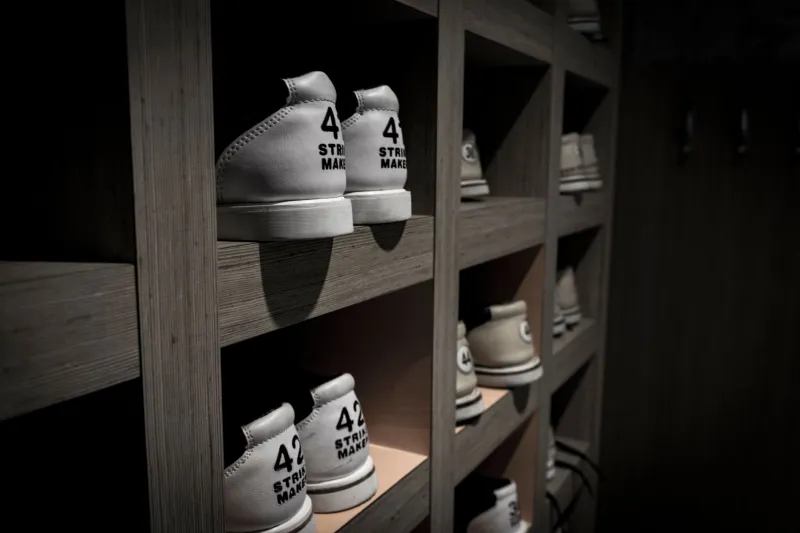
There's a guy in Atlanta right now with three climate-controlled storage units full of deadstock sneakers he can't move. He paid retail — sometimes above retail — for pairs he was absolutely certain would appreciate. Some of them did, for a while. Then the bottom fell out. He's not alone. Across sneaker forums, Discord servers, and Facebook resale groups, a quiet reckoning is happening: the sneaker resale market, once treated like a junior varsity stock exchange, is in serious trouble for a lot of people who went all in.
This isn't a story about one bad drop or one unlucky reseller. It's about a structural shift that's been building for years and is now impossible to ignore.
How Sneakers Became "Investments" in the First Place
The mythology of the sneaker flip goes back at least to the early 2000s, but it really exploded in the 2010s when platforms like StockX and GOAT gave the market a veneer of legitimacy. Suddenly you could track price histories, see market caps on specific colorways, and talk about Air Jordans the same way you'd talk about index funds. Sneaker culture, which had always been about community and identity, got a finance-bro makeover — and a lot of people bought into it hard.
For a stretch, the numbers backed it up. Certain Nike SB Dunks, Off-White collabs, and Yeezy releases were genuinely appreciating assets. Stories of kids paying off college tuition by flipping limited drops weren't just hype — they were real. That reality attracted more participants, more capital, and more attention from the brands themselves.
And that last part is where things started to go sideways.
The Brands Figured Out the Game
Here's the uncomfortable truth that a lot of sneakerheads don't want to say out loud: Nike, Adidas, and New Balance watched the resale market explode and made a calculated decision. Instead of letting third-party resellers capture all that premium value, they started capturing it themselves — through SNKRS app releases, raffles, member exclusives, and strategic restocks.
The Yeezy situation is probably the most dramatic example. Adidas flooded the market with Yeezy restocks following the Ye fallout, and pairs that once commanded $500-$800 on resale dropped to below retail almost overnight. Collectors who'd been sitting on inventory as a long-term hold got torched.
But it's not just brand decisions driving the collapse. It's volume. When every major release has a hundred different colorways, regional exclusives, online raffles, and eventual general availability restocks, scarcity — the whole engine of resale value — evaporates. You can't flip what isn't rare.
The Counterfeit Problem Nobody Wants to Fully Acknowledge
Layered on top of the oversaturation issue is a counterfeit market that has genuinely gotten scary good. The "super fake" replica industry, largely operating out of overseas factories, has reached a level of quality that's tripping up even experienced buyers. Authentication services have had to significantly upgrade their processes, and some have still gotten it wrong.
For the resale market, this is a trust problem as much as a quality problem. When a buyer isn't sure whether they're getting a legitimate pair, they either pay less, skip the purchase entirely, or demand verification that adds friction and cost to every transaction. That uncertainty has a chilling effect on the whole ecosystem — especially for mid-tier sellers who don't have the volume to absorb authentication fees.
Lower-demand models are hit hardest. If you're trying to move a pair that's only worth $50-$100 over retail, adding $20-$30 in authentication costs to protect the buyer eats your entire margin. A lot of resellers have quietly stopped dealing in anything that doesn't carry a significant premium just to make the economics work.
Which Models Are Still Holding Value
It's not all doom and gloom — but the survivors are a much shorter list than people want to admit.
Legacy Jordan retros with genuine cultural cachet (think specific Chicago Bulls colorways, the Bred lineage) still hold relatively well, particularly in deadstock condition and harder-to-find sizes. Certain New Balance collabs — particularly those with boutique partners like Aimé Leon Dore — have maintained premiums because the production runs stay genuinely limited and the brand hasn't chased volume the way Nike has.
Older Nike SB Dunks from the early 2000s, particularly pairs with documented history and provenance, remain strong in collector circles. But note the word "collector" — these aren't moving on StockX for quick flips. They're trading in communities where the buyer genuinely wants the shoe, not a ticket to eventual profit.
The pattern is pretty clear: value is holding where genuine scarcity and cultural authenticity coexist. It's collapsing everywhere brands have over-released or where the hype outpaced the underlying demand.
The Resellers Who've Pivoted
Smart operators in the space have already adjusted. Several resellers who built their businesses on hyped Nike and Adidas drops have shifted focus to vintage and deadstock from the late '80s through early 2000s — stuff that literally cannot be restocked because it doesn't exist anymore. That market has its own risks, but oversaturation from a brand restock isn't one of them.
Others have moved toward sneaker accessories and adjacent collectibles — original boxes, hang tags, vintage advertisements, and even store display materials. It's a smaller market, but it's one that doesn't get disrupted when Nike decides to restock a silhouette for the fourth time in two years.
A few have gone even further, treating sneakers purely as wearables again and reinvesting their capital into other collectible categories entirely. Vintage sports cards, sealed video games, and certain toy categories have all absorbed former sneaker money in recent years.
What This Means If You're Still Holding
If you've got inventory you're underwater on, the honest advice is hard to hear: the market probably isn't coming back to where you bought in for most of what you're holding. Waiting for a resurgence on oversaturated models is a slow bleed. Cutting losses and redeploying capital is uncomfortable, but it beats watching value erode further while storage fees tick up.
If you're still buying into drops as a primary strategy, the bar for what actually makes sense has gotten a lot higher. The days of "buy anything limited and profit" are genuinely over. What's left requires real knowledge, real patience, and a much more disciplined approach to which releases actually have the fundamentals to hold value.
Sneaker culture isn't dead — not even close. But the idea that it's a reliable investment vehicle for the average buyer? That story has run its course. The market has matured, the brands have adapted, and the easy money is gone. What's left is something more honest: buy what you actually love, know what you're paying for, and don't confuse hype with value.
Your closet will thank you. Your storage unit bill definitely will.