Flipping Fatigue: Why the Collectibles Resale Game Has Changed — and How Serious Traders Are Adapting

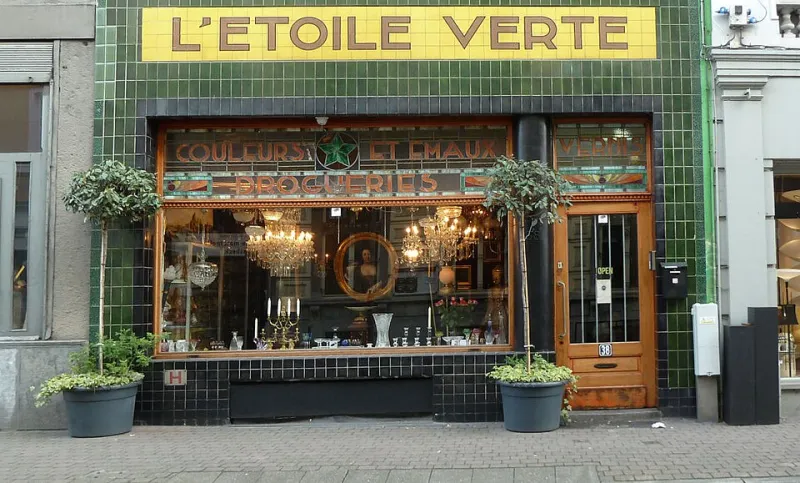
Photo: Ponziano Loverini, CC0, via Wikimedia Commons
Not too long ago, the formula seemed almost embarrassingly simple: find a hot collectible at retail, list it on eBay or StockX for two to three times the price, and pocket the difference. Weekend warriors were clearing thousands of dollars flipping Funko Pops, sneakers, and trading cards out of their spare bedrooms. It felt like free money.
That party hasn't exactly ended — but someone definitely turned the music down.
If you've tried your hand at reselling collectibles lately, you've probably noticed the math stopped working the way it used to. Margins are thinner, competition is brutal, and the platforms themselves seem to be working against you. So what actually changed, and where does that leave people who still want to make reselling work?
The Market Got Crowded — Fast
During the pandemic, a massive wave of new collectors and resellers flooded the secondary market. Stimulus checks, extra free time, and the thrill of the hunt pulled millions of people into spaces that were previously occupied by a smaller, more dedicated community. Card shops sold out within hours. Toy aisles were stripped bare. Platforms like eBay, Mercari, and Facebook Marketplace became overwhelmed with listings.
Here's the problem with that kind of explosive growth: supply eventually catches up. Manufacturers noticed the demand and ramped up production. Brands that once issued genuinely limited runs started printing more. Suddenly, items that commanded serious premiums a year ago are sitting in bins at discount stores. The scarcity that drove prices up evaporated, and a lot of resellers got caught holding inventory at the wrong moment.
The lesson? Hype cycles are shorter now, and the window between "hot item" and "overproduced clearance bin casualty" has compressed dramatically.
Authentication Crackdowns Are Raising the Bar
Another major shift hitting resellers is the surge in authentication requirements across major platforms. eBay's authentication program, third-party grading services like PSA and Beckett, and StockX's verification processes have all tightened up in recent years — and that's created real friction for casual flippers.
Getting a trading card graded used to be a relatively quick, cheap way to boost its perceived value. Now, grading backlogs can stretch months, fees have climbed, and buyers are more skeptical than ever about inflated grades. Counterfeit collectibles — particularly in the sneaker and trading card spaces — have become so sophisticated that buyers increasingly demand authentication documentation before they'll even consider a purchase.
For resellers operating on thin margins, those extra costs and wait times can completely kill a deal. A card you bought for $40 hoping to flip for $100 suddenly needs $30 in grading fees and a three-month wait. By the time it comes back, the market may have moved on entirely.
Algorithmic Price Floors Are Killing the Arbitrage
Here's something a lot of casual resellers don't fully appreciate: the platforms themselves have gotten a lot smarter about pricing. eBay's sold listings data, combined with algorithmic price suggestions, means buyers can instantly see what something actually sold for recently — not just what sellers are asking. That transparency is great for buyers, but it's rough for resellers hoping to capitalize on information gaps.
Platforms like StockX essentially set real-time market prices, functioning more like a stock exchange than a traditional marketplace. That's efficient, but it leaves almost no room for the kind of arbitrage that used to make flipping so attractive. When everyone can see the same price data, the edges disappear.
Fees have crept up too. Between selling fees, payment processing, shipping costs, and packaging materials, it's not unusual for a reseller to lose 15–20% of a sale price before they even count their time.
What Smart Traders Are Actually Doing Now
None of this means reselling is dead — it just means the old playbook is outdated. The people who are still making it work have adapted in some pretty interesting ways.
Geographic arbitrage is making a comeback. Not every market is equally saturated. Serious resellers are sourcing from estate sales, rural thrift stores, and regional flea markets where competition is lower and prices haven't caught up to online valuations. If you're willing to drive an hour outside a major city, you can still find deals that the algorithm hasn't touched yet.
Niche specialization is replacing broad flipping. The resellers who are thriving tend to be deep experts in one very specific category — vintage G.I. Joe accessories, a particular era of baseball cards, a specific line of ceramic figurines. That depth of knowledge lets them spot undervalued items that generalists walk right past. It's less about volume and more about expertise.
Patience has become a real competitive advantage. Resellers who can afford to hold inventory long-term are doing better than those who need a quick flip. Buying undervalued items and waiting for the right moment — a nostalgia wave, a franchise anniversary, a pop culture resurgence — requires patience and storage space, but the returns can be significant.
Community-based trading is gaining traction. Buying and selling within dedicated collector communities — Discord servers, subreddits, hobby forums — often means lower fees and buyers who actually understand what they're purchasing. It takes longer to build trust in those spaces, but the relationships tend to be more sustainable than chasing anonymous buyers on open marketplaces.
Is Reselling Still Worth Your Time?
Honestly? That depends entirely on what you're bringing to the table. If your strategy is "buy whatever's trending and list it for double," you're probably going to have a rough time. That window has mostly closed.
But if you have genuine expertise in a niche, access to sourcing channels that others don't, and the patience to play a longer game, there's still real money to be made. The market has just gotten more efficient, which means the easy wins are gone — and what's left rewards knowledge over luck.
For collectors who were never really in it for the money anyway, this shift might actually be welcome news. A less frenzied resale market means more items end up in the hands of people who actually want them, rather than bots and scalpers. And that's probably better for the hobby in the long run.
The game changed. The question is whether you're willing to change with it.