Boom to Bust: The Collectibles That Crashed Hard and What You Can Learn From the Wreckage
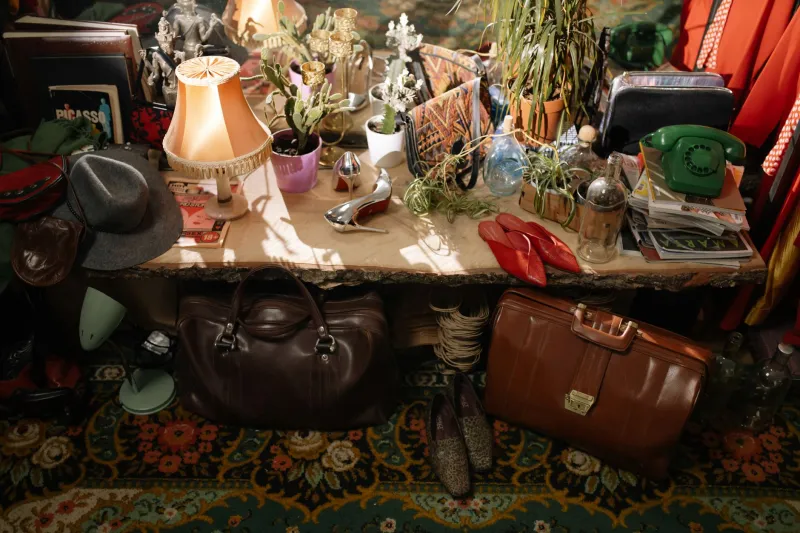
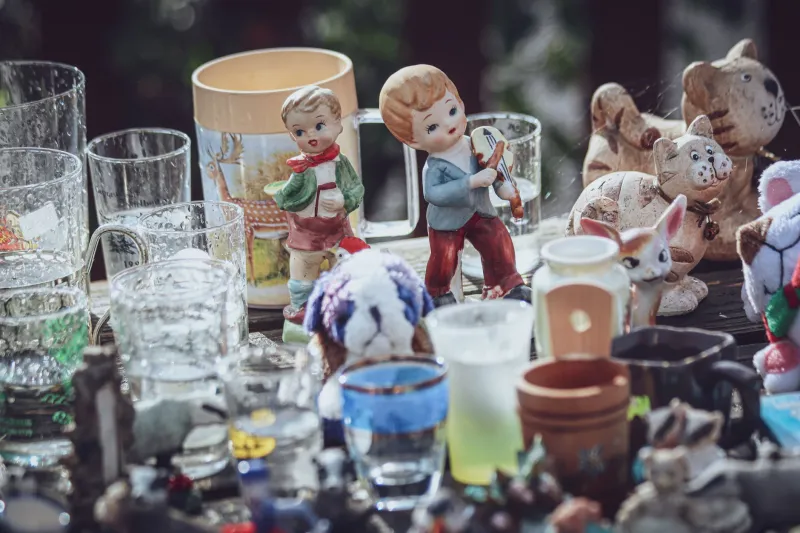
Walk into any thrift store in America right now and you'll find them. Rows of Funko Pops with sun-bleached boxes. Bins full of Beanie Babies in protective cases that nobody asked for. A shelf of NFT art prints that the previous owner clearly printed themselves during a very optimistic week in 2021. These things didn't get donated because people ran out of room. They got donated because the dream died.
Collectibles bubbles are nothing new. But the speed at which they inflate and pop has gotten genuinely wild — and the wreckage they leave behind tells a pretty clear story about what separates a lasting collectible from a trendy cash grab. If you've been burned before, this one's for you. And if you haven't been burned yet, consider this your early warning system.
The Pattern Nobody Wants to Admit
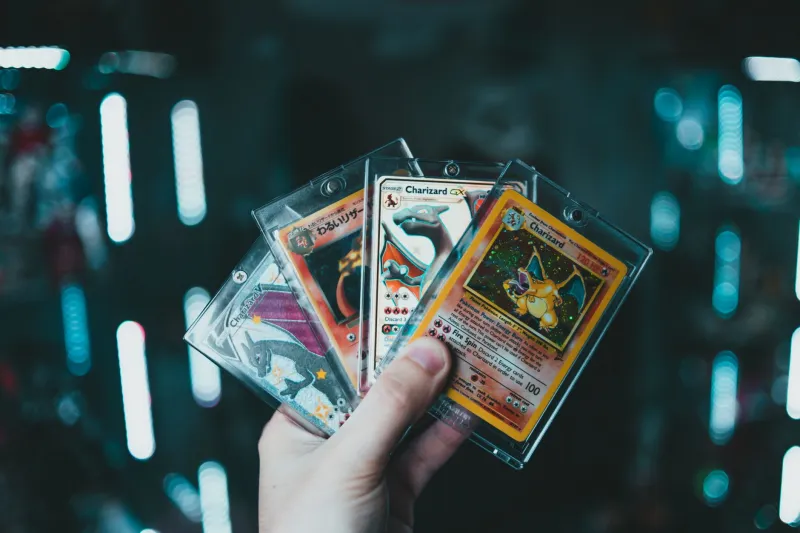
Here's how it almost always goes. A category gets hot — trading cards, limited sneakers, vinyl figures, whatever. Early adopters score big. Word spreads. Media covers it. New buyers flood in, convinced they're still early. Prices spike. Manufacturers and brands smell money and start producing at a higher volume. Suddenly, "limited" doesn't mean what it used to. Supply catches up to demand, then blows past it. Prices stall. Sellers panic. The floor drops out.
It happened with Beanie Babies in the late '90s. It happened with Webkinz. It happened with certain Funko lines, with hype sneakers, with pandemic-era trading cards, and with a whole generation of NFTs that are now worth less than the electricity it took to mint them. The pattern is embarrassingly consistent. And yet, every single time, buyers convince themselves that this category is different.
It's not different. It's just your turn.
Warning Signs Collectors Kept Ignoring
Looking back at the collectibles graveyards of the last 30 years, a few red flags show up over and over again.
Mainstream media coverage. When the Today show runs a segment on how much your hobby is worth, you're not early — you're late. Media attention is a lagging indicator. By the time a reporter is filing a story on trading card prices, the smart money has already started quietly exiting.
Brand-controlled scarcity. There's a big difference between something that's genuinely rare and something that a company says is rare. When manufacturers control the supply and have a financial incentive to keep releasing more, "limited edition" becomes a marketing phrase rather than a factual description. Watch how many times a brand does a "final" run before actually stopping.
Buyer demographics shifting. When a collectibles category starts attracting people who openly admit they don't care about the hobby and are just buying to flip, that's a signal. Speculative buyers don't hold. When sentiment turns, they sell fast and they sell hard.
Grading and authentication services getting overwhelmed. This one's subtle, but when PSA or BGS starts announcing months-long backlogs because of submission volume, it means everyone and their cousin is trying to grade cards they bought six months ago. That kind of backlog is a crowd-size indicator, and crowds at the top of a market are dangerous.
What Actually Held Value — and Why
Not everything crashed. Some collectibles from the same eras that produced massive busts have quietly appreciated or at least held steady. The difference usually comes down to a few key factors.
Cultural permanence. Original Star Wars merchandise, vintage baseball cards of legendary players, first-edition books by authors who became canonical — these things connect to stories and figures that aren't going away. The underlying cultural anchor keeps interest alive even when hype fades.
Genuine scarcity. Not manufactured scarcity. Real scarcity — things that were produced in small quantities before anyone knew they'd matter, or items that have been lost, damaged, or destroyed over time. A 1952 Topps Mickey Mantle card isn't rare because Topps decided to make it rare. It's rare because most of them got thrown away by moms across America who didn't know any better.
Condition sensitivity. Items where condition dramatically affects value tend to develop real collector ecosystems because there's always a reason to upgrade. That creates sustained demand at the top of the condition spectrum even when the broader market softens.
How to Avoid the Next Bubble
You don't need a finance degree to protect yourself here. A few practical habits go a long way.
First, ask yourself why you want something. If your honest answer is "because I think it'll be worth more in a year," that's speculation, not collecting. Speculation isn't evil, but you should know that's what you're doing and size your investment accordingly.
Second, research the production numbers. If a company is still actively making something, the supply story isn't over. Be skeptical of anything described as limited when the entity controlling the supply has shareholders to answer to.
Third, look at the secondary market before buying at retail. If stuff is already trading below retail on eBay, that's not a buying opportunity — that's a warning. The market is telling you something.
Finally, give yourself a gut check on the community. Is the conversation around a collectible mostly about the thing itself — its history, its craftsmanship, its cultural significance — or mostly about resale prices? Communities obsessed with exit prices tend to create the very exits they're worried about.
The Thrift Store Lesson
Those Funko Pops gathering dust at Goodwill aren't just sad — they're educational. Every single one of them was someone's confident purchase. Someone paid retail, maybe above retail, convinced they were holding a winner.
The best collectors treat every thrift store collectibles section like a museum of cautionary tales. What's here? Why did it fail? What did buyers miss? That kind of forensic thinking, applied consistently, is worth more than any hot tip about what's popping right now.
At SCT77 Shop, we've seen trends come and go faster than most. The stuff that sticks around in people's collections — and in value — almost always has a story behind it that doesn't depend on hype to survive. That's the bar worth shopping toward.