Graded, Slabbed, and Overpriced? The Truth About Collectibles Authentication Services
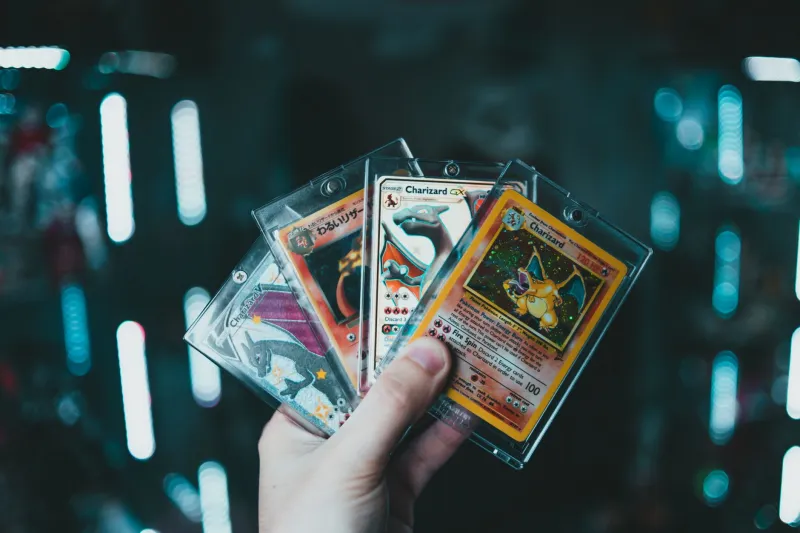
There's a certain authority that comes with a slabbed collectible. The thick plastic case, the official label, the numerical grade printed in bold — it signals that someone with credentials looked at this thing and decided it was real and worth rating. For buyers, that feels like safety. And sometimes it is. But the grading industry has also quietly become one of the most effective price-inflation mechanisms in the collectibles world, and not everyone buying into it is getting what they think they're paying for.
Let's talk about what grading actually does, where it earns its cost, and where collectors are getting played by the label.
What Grading Services Actually Do
Third-party grading companies — PSA, BGS (Beckett), CGC, WATA, and others depending on the category — perform two core functions: authentication and condition assessment. They verify that an item is genuine and assign it a numerical grade based on a standardized condition scale. The item then gets sealed in a tamper-evident case (commonly called a slab) that preserves the grade and protects the item.
The value proposition sounds clear enough. You're paying for expert verification and a standardized, communicable condition rating that makes buying and selling easier across a market where buyers and sellers often never meet in person.
In theory, that's genuinely useful. In practice, it gets complicated fast.
Where Grading Actually Earns Its Keep
For certain categories, third-party grading isn't just helpful — it's essentially table stakes for serious participation in the market.
Vintage trading cards are the clearest case. The sports card market, particularly for pre-1980 issues, has condition sensitivity so extreme that the difference between a PSA 7 and a PSA 8 on a key card can represent thousands of dollars. In that environment, having a credentialed third party assess condition isn't a luxury — it's the only way buyers and sellers can transact with any shared language. Without grading, a seller's "near mint" and a buyer's "near mint" might be completely different things.
High-value vintage comics fall into the same category. A CGC-graded key issue gives buyers confidence that the book hasn't been restored, pressed, or otherwise manipulated to appear in better condition than it actually is. For six-figure transactions, that peace of mind has real monetary value.
Video games have developed a grading culture through WATA and VGA, which makes more sense for sealed, complete-in-box games where condition of the packaging matters significantly. Though this category has had its own controversies around market manipulation, the underlying logic of authentication for high-value sealed games is sound.
The common thread in all these cases: the items are old enough that genuine condition variation is significant, the market is large enough to support a pricing spread based on grade, and the risk of counterfeiting or restoration is real enough that independent verification adds genuine protective value.
Where Grading Creates More Problems Than It Solves
Here's where it gets uncomfortable. The grading industry expanded aggressively during the collectibles boom of the early 2020s, and a lot of items got submitted that had no business being graded — at least not at the prices the resulting slabs commanded.
Modern mass-produced collectibles are the most obvious example. When people started submitting recently-printed cards, modern Funko Pops, and contemporary releases to grading services and then pricing the resulting slabs at significant premiums, something broke down. The scarcity that grading is supposed to certify doesn't really exist for items printed in the millions. A PSA 10 on a common modern card is impressive in a technical sense — it means the card came out of the pack in perfect condition — but it doesn't make the card rare. It just means you paid $30 to confirm your card is pristine.
Categories with no established grading standards are another landmine. When grading services expand into new product categories to capture submission volume, the standards are often less developed and the comparables thinner. Buyers paying premiums for grades in immature categories are trusting a system that hasn't been stress-tested.
The slab premium problem. In hot markets, slabbed items command premiums that can far exceed what the grade actually justifies. When a slab becomes a status symbol rather than a functional tool for communicating condition, you're not buying authentication — you're buying aesthetics. That's fine if you know what you're doing, but a lot of buyers don't realize the premium they're paying is emotional rather than rational.
The Grading Industry's Dirty Laundry
It's worth being honest about the structural issues in the grading world. Grading companies have financial incentives to accept submissions and process volume. They also have reputational incentives to maintain grade integrity. Those two incentives don't always point in the same direction.
Grade inflation is a documented concern — particularly during periods of high submission volume when turnaround times are stretched and the workforce is processing more items than usual. Population reports (which track how many items have received each grade) are publicly available for most major services, and sophisticated collectors use them to understand how common a given grade actually is.
There have also been high-profile controversies around authentication errors — genuine fakes that slipped through, and authentic items that were flagged incorrectly. No grading service is infallible, and treating a slab as a 100% guarantee is a mistake.
A Practical Framework for Deciding Whether to Grade
Before submitting anything or paying a slab premium, run through a quick mental checklist.
Is the item old enough that condition genuinely varies? If it's a modern release where most examples are in comparable condition, grading adds less value.
Is the market large enough to support a grade-based pricing spread? Niche categories with thin markets may not have enough comparable sales to make grades meaningful.
Does the value of the item justify the grading cost and time? Grading fees, shipping, and insurance add up. For items worth under a few hundred dollars, the math often doesn't work.
Are you buying to hold or to sell? If you're buying for personal enjoyment and plan to keep an item, a slab may actually reduce your enjoyment — you can't handle the item, and the case adds bulk. Grading makes more sense as a tool for market participation than for personal collecting satisfaction.
The Bottom Line
Grading services perform a legitimate function in the right contexts. For vintage, high-value, condition-sensitive items where counterfeiting is a real risk, the cost of authentication is justified and the market pricing reflects it accurately.
Everywhere else, approach with skepticism. A label doesn't transform a common item into a rare one, and a plastic case doesn't automatically make something worth more than it was before it went in. The best collectors understand grading as a tool — useful in specific situations, unnecessary or counterproductive in others — rather than treating it as a universal stamp of legitimacy.