The Return Pile Economy: Inside the Billion-Dollar Resale Pipeline Nobody Talks About
Every year, American consumers return somewhere in the neighborhood of $800 billion worth of merchandise. That's not a typo. Eight hundred billion dollars in goods — clothing, electronics, toys, tools, kitchen appliances — flowing backwards through the retail system in search of somewhere to land.
A lot of it doesn't go back on the shelf. And that's where things get interesting.
Why Retailers Don't Just Restock Returns
The intuitive assumption is that a returned item gets inspected, re-packaged if necessary, and put back into inventory. For some products, that's exactly what happens. But the reality of return processing at scale is messier and more expensive than most people realize.
For major retailers — Amazon, Walmart, Target, and their peers — the cost of individually inspecting, testing, repackaging, and restocking a returned item often exceeds the item's remaining retail value. A $25 kitchen gadget that comes back in a slightly damaged box might cost $15 to process back into sellable inventory. The math doesn't work.
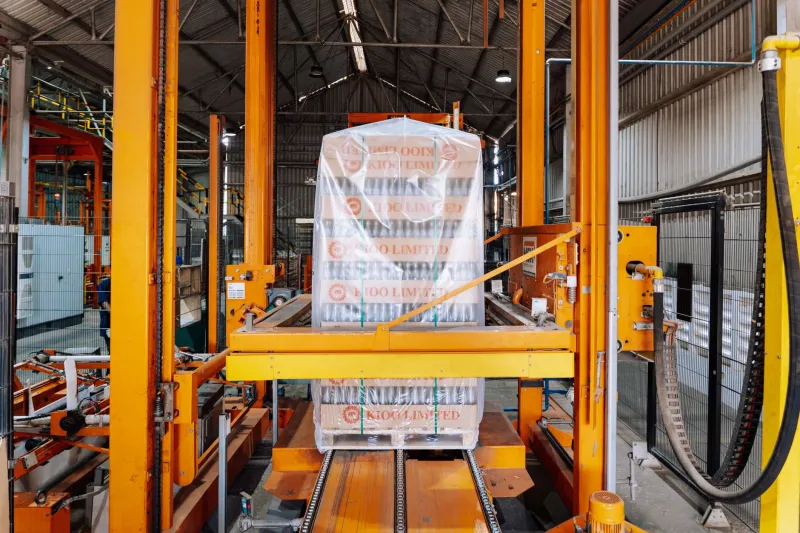
So instead, returns get sorted into categories — typically based on condition and category — and consolidated into large pallets. Those pallets get sold in bulk to liquidation companies, who then sell them to secondary buyers, auction houses, or direct to consumers through platforms like B-Stock, BULQ, or Direct Liquidation.
The chain looks something like this: you return a blender → retailer sorts it into a pallet → liquidator buys the pallet for a fraction of retail → reseller buys individual lots → item appears on eBay or Facebook Marketplace or a local flea market.
The Legal Landscape (It's Mostly Fine, With Caveats)
Here's a question that comes up a lot: is buying and reselling liquidated retail returns actually legal? The short answer is yes, with some nuances worth understanding.
Once a retailer sells a pallet to a liquidator, those goods are no longer the retailer's property. The liquidator can sell them however they choose. Secondary buyers operate in legitimate commercial territory — this is first-sale doctrine stuff, the same principle that lets thrift stores and used bookshops operate without licensing from original manufacturers.
Where it gets grayer: some retailers include contractual restrictions in their liquidation agreements. Certain brands prohibit liquidated goods from being sold on specific platforms — Amazon being the most common example, since major brands often have MAP (minimum advertised price) agreements that liquidated goods would undercut. Resellers who ignore these restrictions can get their accounts pulled.
There's also the question of condition representation. Selling a "like new" item that turns out to be damaged is where legal territory starts shading into fraud territory. Reputable secondary sellers are careful about this. Less reputable ones are not.
What's Actually Inside Those Pallets
This is the part that draws people in. A general merchandise return pallet from a major retailer is genuinely unpredictable — which is either exciting or terrifying depending on your risk tolerance.
Buyers who've worked this market long enough develop strategies around pallet selection. Category-specific pallets (electronics only, toys only, home goods only) are more predictable but more expensive per unit. General pallets are cheaper but come with more junk-to-gem variance.
The finds that circulate through the resale community are genuinely impressive sometimes. Unopened electronics. Collector-grade toys still in original packaging. Brand-name clothing with tags attached. These things end up in return pallets because someone ordered them, never opened the package, and sent it back — or because a store's return policy is generous enough that items come back in perfect condition.
Kevin, a part-time reseller in Texas who works liquidation pallets alongside a day job, describes his approach as disciplined. "I only buy category pallets now — electronics and toys. I know what I'm looking at and I know what moves. General pallets taught me that lesson the hard way. You pull a bunch of damaged fast-fashion clothing and suddenly your garage smells weird and your profit margin is gone."
The Platforms Running This Market
If you want to get into this space, the entry points are more accessible than they used to be. B-Stock operates retailer-branded auction sites for companies including Walmart, Target, and Home Depot — you bid on pallets or lots directly, and the minimum purchase amounts have dropped significantly as the market has matured. BULQ offers manifested lots (meaning you see exactly what's in the box before you buy) which reduces risk for newer buyers. Direct Liquidation works similarly.
For buyers who don't want to deal with pallets at all, secondary sellers on eBay and Amazon Warehouse Deals are already doing the sorting work for you — at a markup, obviously, but with significantly less risk.
The Crackdown Is Coming (Slowly)
Major retailers have started paying more attention to where their returned inventory ends up, and the pressure on liquidation channels is increasing. Amazon has launched its own resale programs — Amazon Renewed, Amazon Warehouse — that keep returned goods inside their ecosystem rather than letting them flow to competitors. Walmart is doing something similar with Walmart Restored.
This isn't altruism. It's margin protection. If a returned Roomba is going to be resold for $150, Amazon would rather make that $150 than let a third-party liquidator and a reseller split it.
For buyers who've built businesses around liquidation pallets, this is a real threat to the supply chain. The volume of goods flowing through traditional liquidation channels is likely to shrink over the next few years as retailers build out their own refurbishment and resale infrastructure.
What This Means for Regular Shoppers
If you're not trying to build a resale business and you just want a good deal, the return economy is actually working in your favor right now. Amazon Warehouse, Walmart Restored, and similar retailer-run refurb programs offer deep discounts on items that are, in many cases, genuinely indistinguishable from new.
The secondary market resellers — on eBay, local Facebook groups, flea markets — are another layer of the same pipeline, often with even steeper discounts if you're willing to do a little digging and accept some condition variance.
The return pile is real, it's enormous, and it's generating legitimate deals at every level of the chain. Knowing where you sit in that chain — and what you're actually buying — is the difference between a great score and a garage full of broken blenders.